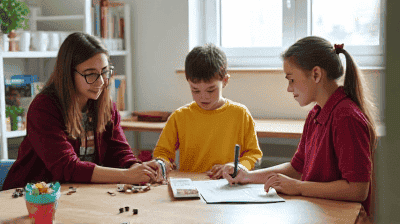
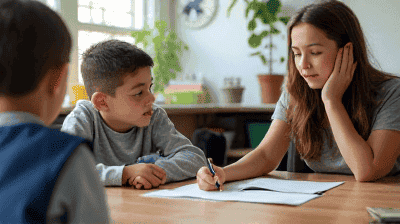
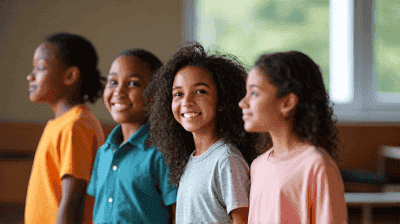
In the realm of special education, the foundational principle that underpins successful outcomes is the establishment of strong relationships. Building meaningful connections among students, educators, families, and support staff is crucial for fostering an inclusive educational environment. This article explores the various facets of relationship-building in special education and emphasizes its significance in promoting positive academic, social, and emotional development for students with diverse learning
Teaching in special education settings presents unique challenges and opportunities. One of the most critical aspects of ensuring a successful learning environment is effective behavior management. Students with disabilities may exhibit a range of behaviors that can interfere with their learning and the learning of others. Therefore, it is essential for educators to implement strategies that promote positive behavior and create a structured and supportive classroom atmosphere. This blog post will provide an
Emotional and behavioral disorders (EBD) in students can significantly affect their learning experiences and overall development. As educators, it is essential to understand the nature of these disorders, their impact on academic performance, and strategies to create a supportive environment for affected students. This article will dive deep into emotional and behavioral disorders, their characteristics, the impact on learning, and practical strategies educators can apply to foster a more inclusive and supp
Social skills are critical for success in both academic settings and everyday life. For students with special needs, such as those with autism spectrum disorder, learning disabilities, and emotional or behavioral disorders, developing social skills can present unique challenges. Social skills training can be an effective means of addressing these barriers, equipping students with the tools they need to communicate effectively, build relationships, and navigate social situations. This article provides educat
In today's increasingly diverse educational landscape, culturally responsive special education has emerged as a vital approach to ensure that all students, particularly those with disabilities, receive equitable and effective support. Recognizing and valuing the cultural backgrounds of students is essential in creating an inclusive classroom environment where every learner can thrive. This article explores the principles of culturally responsive special education, effective practices, and the importance of
In today’s educational landscape, inclusivity is not just a goal but a necessity. An inclusive classroom is one where all students, regardless of their diverse backgrounds, abilities, and learning styles, feel valued and supported. This article aims to provide educators with practical tips and strategies to create an inclusive classroom environment that fosters learning for all students, including those with special needs and diverse learning requirements.
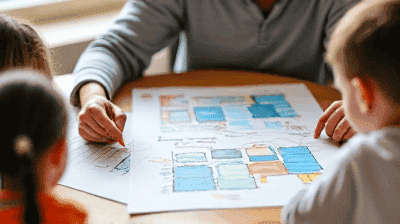
In the field of special education, creating an Individualized Learning Plan (ILP) is a fundamental aspect of ensuring that students with unique learning needs receive the tailored support they deserve. An ILP serves as a roadmap for the educational journey of a student, outlining specific goals, accommodations, and instructional strategies to facilitate learning. This article explores best practices for special education teachers in crafting effective Individualized Learning Plans that meet the diverse need